
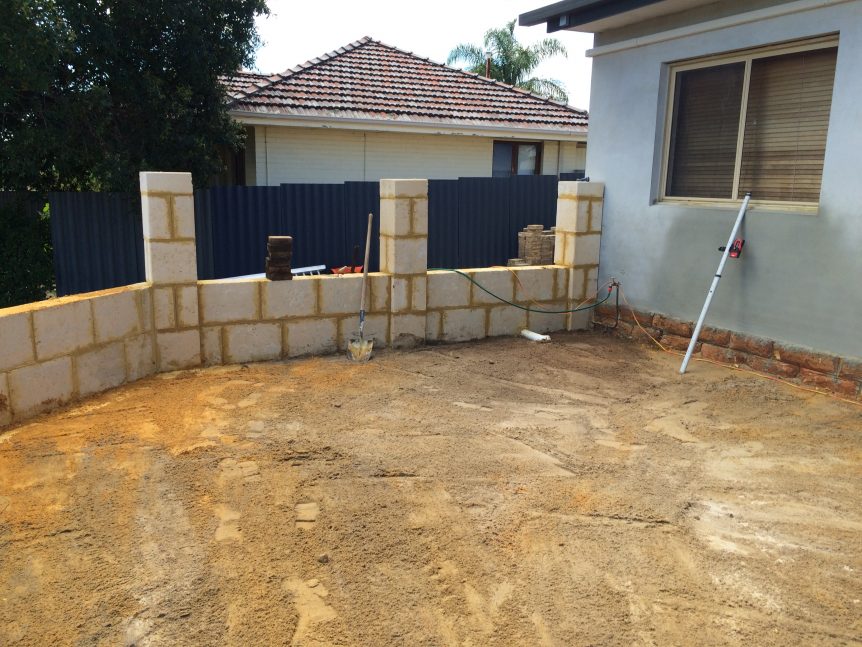
Getting your site ready before the bobcat shows up saves time and avoids problems on the day. A well-prepared site means your operator can get straight into it without delays, and you avoid the kind of surprises that cost time and money.
So what does good site preparation actually involve? It comes down to six things: locating underground services, clearing the work area, checking access, marking out the job, sorting your spoil, and communicating any site challenges to your operator.
Get these right, and the job runs smoothly from start to finish.
In Mandurah, preparing for a construction project comes with its own quirks. Sandy coastal soils, tight suburban lots, and narrow side access are standard, especially in suburbs like Halls Head, Lakelands, and Meadow Springs.
We will provide you with a practical checklist, so you’re ready before excavation begins.
Call Before You Dig Australia First
Before any excavation begins in Western Australia, you’re legally required to locate underground services. That includes gas pipes, water mains, electrical cables, and telecommunications lines.
Before You Dig Australia (BYDA) is a free service that maps underground utilities on your property. You can submit an enquiry at byda.com.au or call 1100. Plans usually arrive within two business days, often sooner.
Once you have them, mark the locations on the ground with spray paint or flags before the operator arrives. This is your responsibility as the homeowner, not the contractor’s.
Clear the Work Area
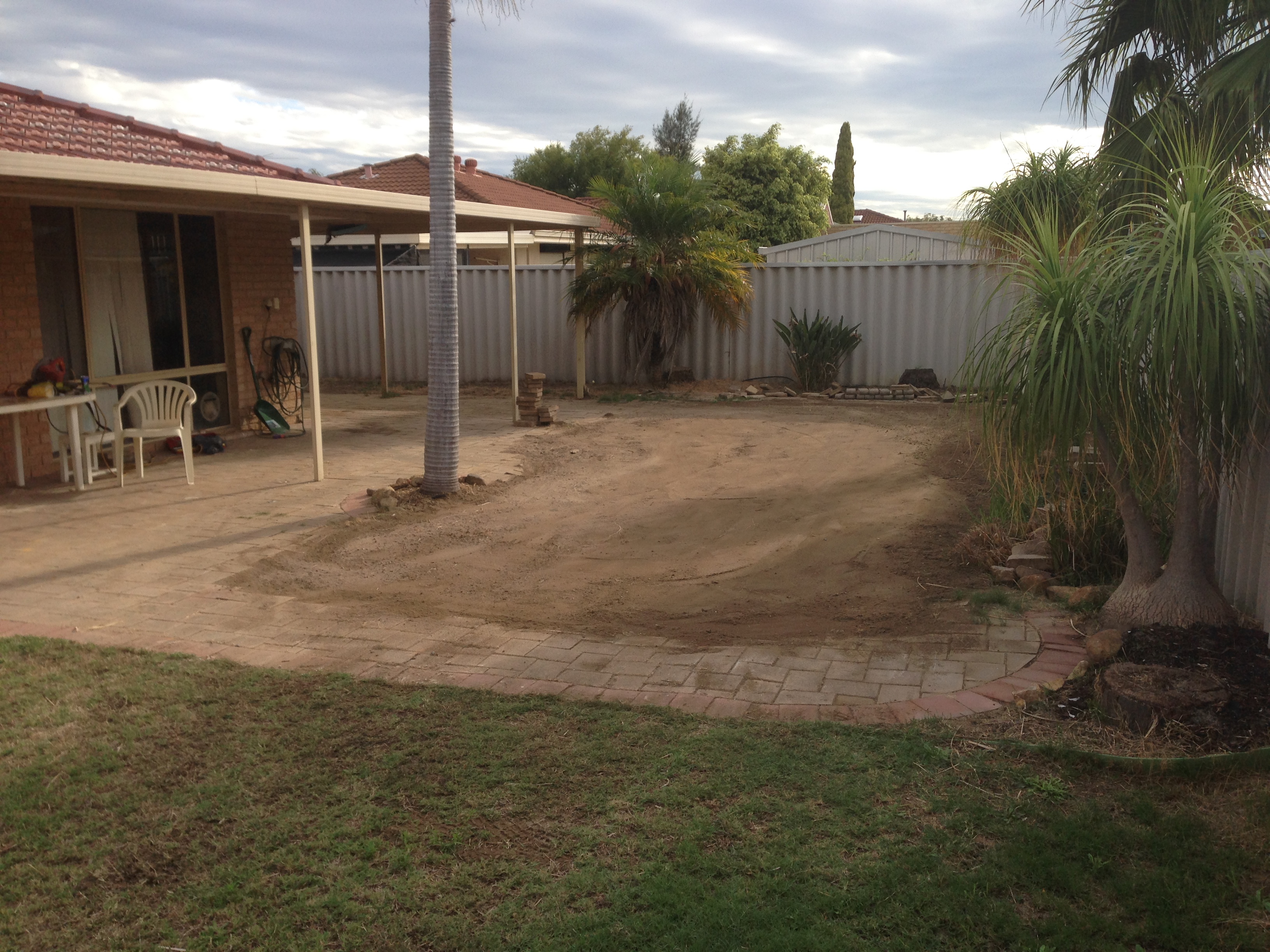
Walk through the area where the bobcat will be working and remove anything that doesn’t need to be there, such as garden furniture, pot plants, kids’ toys, garden hoses, and sprinkler heads. Even small items left behind can slow things down or get damaged.
If there are shrubs or plants in the work zone, cut them back or remove them before job day. Sandy soil along the Mandurah coast means root systems tend to sit shallow, so large shrubs or trees near the excavation area are worth flagging with your operator early. Anything significant may need the right equipment or a separate step in your project timeline.
Anything you want to keep, whether it’s a mature tree, a garden bed, or a retaining wall, mark it clearly with stakes, tape, or flags. Don’t assume the operator will know what stays and what goes.
If turf is being removed and you’ve got subsurface irrigation lines, let the operator know. This is easy to overlook, but it can become an expensive fix if lines are clipped during site clearing.
Check and Prepare Access Points
Access issues are one of the most common causes of project delays with bobcat hire. A bit of measuring beforehand saves everyone a headache.
Gate And Fence Width
Most mini bobcats and posi track loaders need a minimum opening of around 1.2 to 1.5 metres. Standard bobcats can be wider, often around 1.6 metres or more, so confirm your machine size and exact access dimensions with the operator at the time of booking.
Don’t guess, as a few centimetres can be the difference between the machine getting through or the job being rescheduled.
| Access Requirement | Minimum Clearance |
| Gate or fence opening (mini bobcat) | 1.2 to 1.5m wide |
| Gate or fence opening (standard bobcat) | 1.5m+ wide |
| Overhead clearance | Check for power lines, pergolas, and carports |
| Trailer unloading space | 6 to 8m flat surface near property entry |
Overhead Clearance
Check the entire path from the street to the work area. Low-hanging power lines, pergola rooflines, and carport edges can all block a bobcat or create safety risks. Trim low-hanging branches along the route while you’re at it.
Surface Along The Access Route
Bobcats, mini excavators, and other construction equipment are extremely heavy. If the machine needs to travel across pavers, exposed aggregate driveways, or soft lawn, talk to your operator about surface protection. Timber mats can be laid over pavers or soft ground to prevent damage.
On hard ground, such as concrete, tracked machines can still leave scuff marks, so it’s worth discussing. This is a common concern in Mandurah, where many homes have decorative driveways along the access path.
Trailer Unloading Space
The trailer carrying the bobcat needs room to unload safely. You’ll typically need 6 to 8 metres of flat, clear surface near the property entry. Make sure cars, bins, and trailers are moved well out of the way.
Many older Mandurah lots have narrow side access or rear laneways. If there are tight turns, low overhangs, or anything that could restrict the right machinery from getting through, flag it when you book.
Mark Out What You Want Done
Clear marking prevents miscommunication and keeps the job on track. Here’s what to sort out before the operator starts.
| What to Mark | Why It Matters |
| Excavation areas, spoil drop zones, and no-go zones (use spray paint, stakes, or string lines) | Prevents miscommunication and keeps the operator focused on the right areas |
| Task priority order (e.g., site clearing first, then grading for a slab) | Multiple jobs on the same day run smoother when the operator knows the sequence up front |
| Grade or depth requirements for drainage or slab prep | Poor drainage leads to water accumulation and foundation movement. Getting proper excavation, grading, and soil compaction right from the start is far more cost-effective than going back to fix it |
| Pre-job photos of the work area and access path | Protects both you and the contractor in the event of any dispute over existing conditions |
If multiple tasks are planned, run through them with the operator before construction begins. The clearer your instructions, the more efficiently your operator can work. Discussing stable foundations, drainage fall, and compaction requirements in advance is especially important for slab prep or retaining wall jobs.
Organise Where the Spoil Will Go
Excavation work produces excess soil, sometimes a lot of it. On smaller Mandurah suburban blocks, there often isn’t much room for a large spoil pile, so you need a plan before the bobcat arrives.
Decide in advance whether the spoil will be stockpiled somewhere on-site, removed by the contractor, or reused elsewhere on the property. The sandy ground through the Peel region excavates quickly, which means bulk excavation jobs can generate more material than you’d expect. Even a straightforward job moving dirt from one end of the yard to the other can leave you with a sizeable pile.
If skip bins or tip runs are needed, arrange them before job day. Waiting until the excavation is underway to sort this out leads to budget blowouts and downtime.
Check your local council rules if you’re planning to stage spoil on the verge temporarily. Some councils have restrictions, and a pile of sand on the footpath won’t win you any friends with the neighbours.
Communicate Any Site-Specific Challenges
A proper site assessment before job day prevents surprises. Let the operator know about anything unusual, such as previous excavation, old footings, underground tanks, tree roots, or unstable soil conditions.
Soil composition varies across Mandurah, and even neighbouring blocks can behave differently, so don’t assume your site will be straightforward based on what a neighbour experienced.
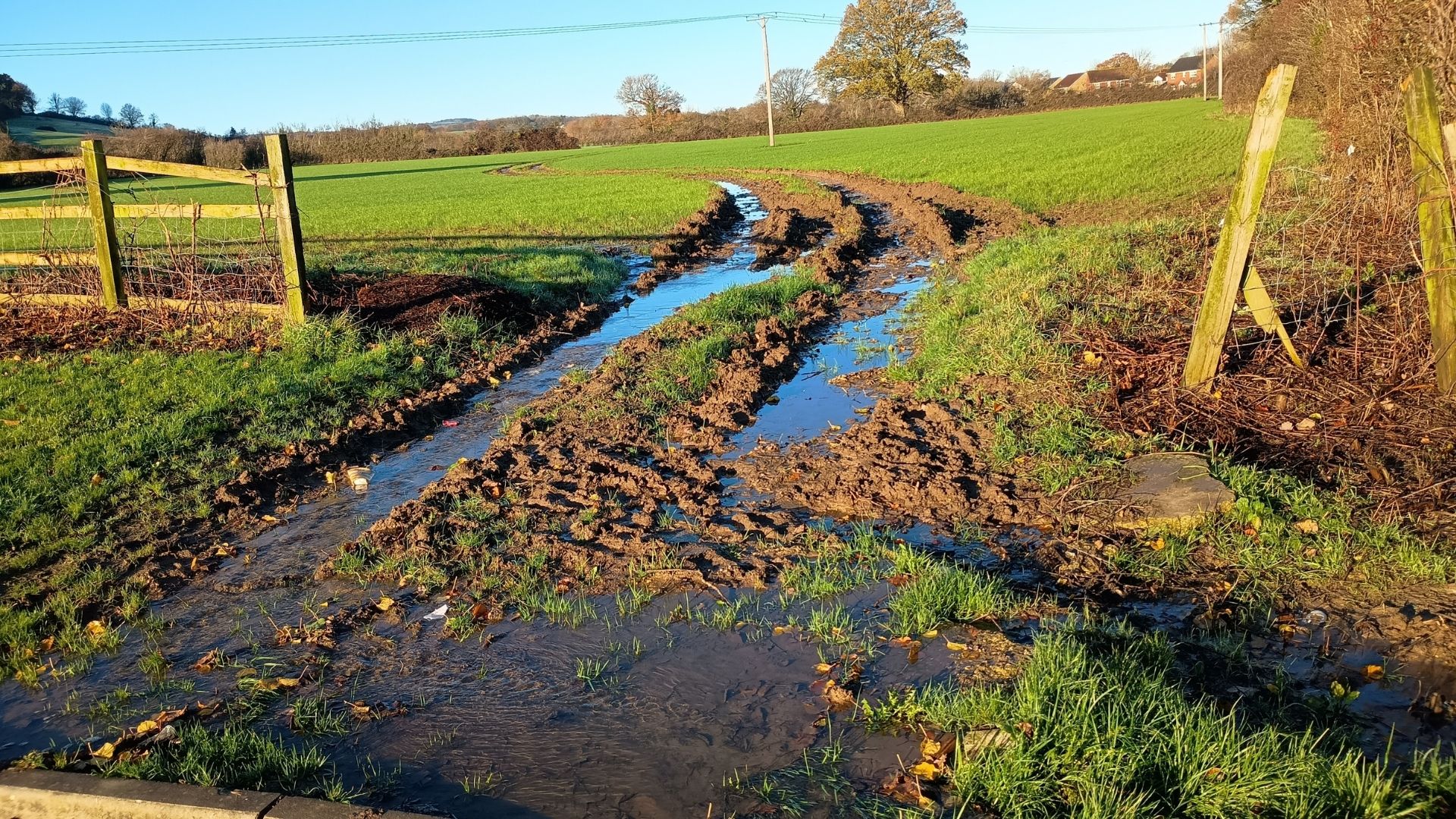
If the site has had recent rain, flag it. Boggy ground affects machine access and can cause site damage. Weather delays are frustrating for everyone, and in some cases, laying gravel or plywood on soft ground can help prevent the machine from getting bogged down.
Mention any neighbouring property considerations too. Shared fences, easements, or anything close to the boundary. It’s also worth giving your neighbours a heads-up about the noise and heavy equipment on site. It’s not a legal requirement, but it keeps the peace.
For deeper excavation projects, be aware that sandy coastal soils can collapse unexpectedly in trenches. Your operator will manage this on the day, but flagging the scope of the work early helps them bring the right attachments and plan for proper compaction.
Site Preparation Checklist
Before your bobcat arrives, make sure you’ve covered these essentials:
- Before You Dig Australia (BYDA) enquiry submitted, and underground service markings done
- Work area cleared of loose items, furniture, hoses, and sprinkler heads
- Plants or features you want to keep are clearly marked
- Gate and access width confirmed with operator (check machine size)
- Trailer unloading space cleared (6 to 8m flat surface)
- Overhead clearances checked along the full access route
- Work area marked out with spray paint, stakes, or string lines
- Spoil destination decided and arranged (on-site, skip bin, or removal)
- Site-specific challenges communicated to operator
- Pre-job photos taken of the work area and access path
Why Proper Site Preparation Matters
Proper planning isn’t just about ticking boxes. An unprepared construction site causes delays, and delays during bobcat hire often mean additional costs. If the machine can’t access the site, or underground services haven’t been marked, the job may need to be rescheduled entirely. That’s the kind of costly mistake that proper site preparation prevents.
Professional excavation services, including experienced excavation contractors like Brad’s team, can handle unexpected challenges on the day. But choosing the right contractor is only half of it. Doing your part with site preparation means your operator spends the booked time doing the actual excavation work, not working around problems that could have been sorted in advance.
Get the Most Out of Your Bobcat Hire
Brad’s Mini Excavation has been handling bobcat hire and earthmoving across Mandurah and the Peel region for years. From tight suburban backyards to larger residential and commercial projects, Brad’s team has the right machines, skilled operators, and local knowledge to get your construction project done right.
If you’re planning a job and want to make sure everything runs smoothly from day one, get in touch with Brad’s team for a free quote. A well-prepared site and the right team behind the excavation equipment are the best ways to start any project on the right foot.