
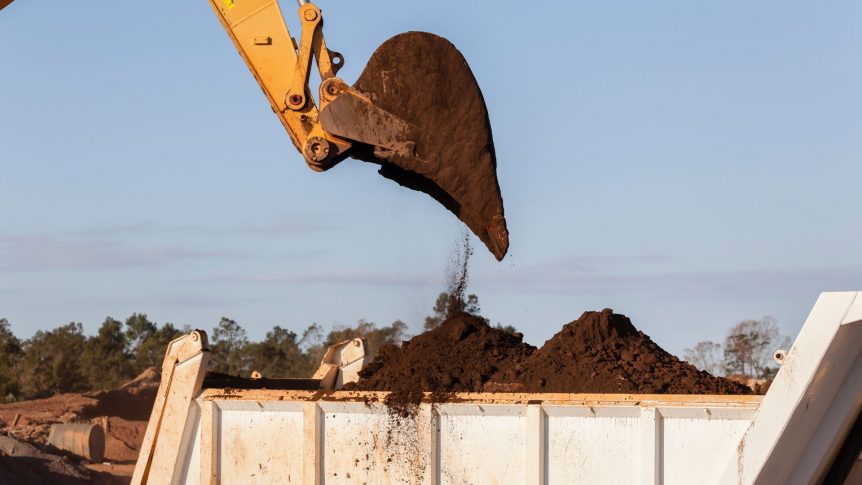
Whether you’re planning a pool, a new shed base, or preparing your house for an extension, you’ll almost certainly need earthworks. If you’re in Mandurah, you’re working with conditions that make this region unique, such as sandy coastal soils that drain fast but don’t always hold their shape, a water table that sits higher than most of Perth metro, and council requirements shaped by proximity to the Peel-Harvey Estuary.
But what does earthworks actually cost in Mandurah? How long does a project take from quote to completion? When do you need approval from the City of Mandurah, and when can you skip the paperwork? We’ll answer those questions and explain why local expertise matters.
Brad’s Mini Excavation has been handling earthworks across Mandurah for years. We know which suburbs need acid sulphate soil testing, when dewatering permits apply, and how to navigate council applications without the runaround.
What Counts as Earthworks in Mandurah?
Earthworks covers any project involving cutting, filling, or moving soil. Common residential projects in Mandurah include:
| Project Type | What’s Involved |
|---|---|
| Site preparation | Cutting house pads for new construction, levelling ground for extensions, and creating buildable platforms on sloping blocks |
| Pool excavation | Digging the hole, creating surrounds, managing spoil removal (one of our most common jobs) |
| Shed and carport bases | Levelling the footprint, compacting base materials, and ensuring proper drainage away from the structure |
| Driveways and hardstands | Excavating for base course, creating proper falls for drainage, and preparing for paving or concrete |
| Trenching | For footings, service conduits, drainage systems, and stormwater management |
| Retaining walls | Excavating for wall footings, benching the slope, and backfill preparation |
| Land leveling | Reshaping yards for better drainage, creating usable flat areas, and fixing problem slopes |
| Garden landscaping | Moving soil for garden beds, creating contours, and improving site drainage |
When You Need City of Mandurah Approval
Not every earthworks project needs council sign-off, but some definitely do. You’ll typically need approval when:
- You’re moving significant volumes of fill or excavated material. The threshold varies, but anything over 20 cubic metres usually triggers a requirement.
- Your excavation or fill work sits close to property boundaries. Setback requirements exist to protect neighbouring properties from instability or drainage issues.
- You’re working in environmentally sensitive areas. Mandurah has wetland buffers, bushland interfaces, and areas close to waterways where earthworks require environmental assessment.
- The site falls within a heritage area or has special zoning. Some older Mandurah suburbs have additional restrictions.
Development Approval vs Building Permit:
Development approval (DA) covers land use and development that changes the character of a site. Major earthworks, significant retaining walls, or land reshaping that affects drainage patterns often need DA.
On the other hand, a building permit covers the construction of structures. The earthworks for that structure (footing trenches, site preparation) are usually covered under the building permit rather than requiring separate earthworks approval.
If you are looking at undertake minor works, you can often get exemptions. A small shed base or limited garden reshaping typically doesn’t need approval.
The application process:
Applications go through the City of Mandurah planning portal. You’ll need site plans showing existing and proposed levels, engineer reports for significant cuts or fills, and environmental assessments if you’re near sensitive areas.
Processing times run 3-6 weeks for straightforward applications, and more complex projects may take longer. Your fees will vary based on project scope, so ensure you check the City of Mandurah website for current fee schedules.
Compliance requirements:
| Requirement | What It Means |
|---|---|
| Sediment and erosion control | You need to prevent soil and sand from leaving the site, especially important given Mandurah’s proximity to waterways |
| Dust management | Sand is dusty when dry, and neighbours won’t appreciate clouds blowing over their properties |
| Operating hours | Earthmoving equipment is loud. Council sets strict hours for residential areas |
| Boundary setbacks | Excavations need to maintain safe distances from property lines |
| Acid sulphate soil management | Parts of Mandurah, particularly reclaimed areas near the estuary, require testing and lime treatment protocols |
| Dewatering permits | Required if you’re pumping groundwater. High water table areas sometimes need this |
What Earthworks Cost in Mandurah
Earthworks pricing depends on machine size, project complexity, and site conditions.
Typical Hourly Rates (2026)
| Machine Size | Hourly Rate | Best For |
|---|---|---|
| 1-5 tonne mini excavators | $65-$95/hour | Tight access, garden work, trenching |
| 5-8 tonne excavators | $95-$120/hour | Most residential projects |
| 8-20 tonne machines | $120-$145/hour | Large site cuts, big pools, commercial work |
These are estimates only. Please contact your provider for accurate pricing.
What Affects Your Quote
Every site tells a different story, and that story determines the cost.
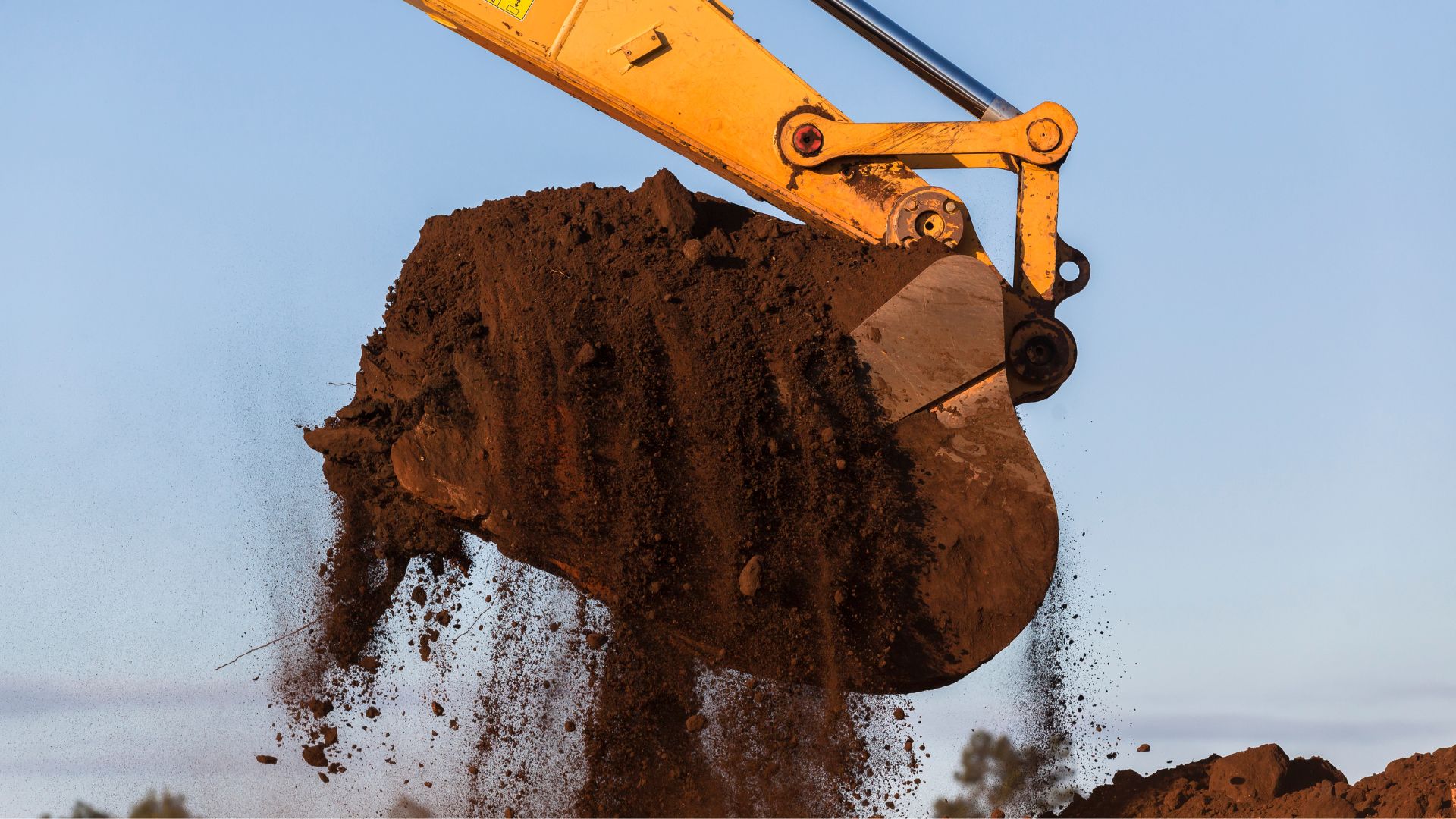
Access shapes everything:
Tight access often means smaller equipment, which means more hours to move the same amount of earth.
Mandurah’s ground conditions vary wildly:
The sandy soils that dominate the region (Bassendean and Spearwood sand) drain beautifully but don’t compact like clay. Dry sand cuts fast and clean, whereas wet winter sand or unexpected limestone rock slows us right down.
A job quoted in January might take more hours if it’s scheduled for July, when the moisture content is higher.
In low-lying areas around Halls Head and parts of Meadow Springs, you can hit water at a depth of 1.5 metres. Pool excavations sometimes need dewatering, especially in winter, which changes equipment requirements and timeline.
In parts of Mandurah, particularly reclaimed areas near the estuary, there are acid sulphate soils. These need testing before excavation and lime treatment if present.
Scope drives hours:
A shallow 300mm shed base is a quick job. A 2-metre deep pool excavation is a different beast entirely. Volume and depth drive hours, which drive cost.
Where the spoil goes matters:
If excavated material can be spread in low areas of your yard, you’re only paying for earthworks. If twenty tonnes of sand needs carting off-site, you’re also paying for tippers and disposal. That difference can be substantial.
Boundaries and services require care:
Working close to fences or neighbouring structures means slower progress, and sometimes hand excavation is required to buffer existing structures. Water, sewer, power, and communications lines all need to be located before excavation starts, then carefully worked around during digging. Your plans don’t always match reality – services sometimes sit in different locations than shown, which means stopping work until they’re properly located.
Surprises happen occasionally. Old fill material, buried rubble, or asbestos fragments aren’t common, but when found, they require different handling and disposal protocols that add time and cost to the project.
Typical Project Costs (Mandurah 2026)
| Project Type | Price Range | Assumes |
|---|---|---|
| Swimming pool excavation | $2,800-$4,500 | Standard 8m x 4m pool, 2m depth, sand base, reasonable access, spoil removal |
| House extension footings | $800-$1,800 | Varies with perimeter length, trench depth, and proximity to existing structures |
| Shed base (8m x 6m) | $600-$1,200 | Level and compact. Sloping sites need more cut/fill |
| Driveway excavation & prep | $1,500-$3,200 | Includes excavation, base course, compaction |
| Retaining wall excavation | $1,200-$2,800 | Depends on wall height, soil type, and access |
| Full house site cut (400m²) | $5,500-$9,500 | Major earthworks with substantial cut/fill volumes |
These are indicative ranges based on typical Mandurah conditions. Your actual quote will depend on site-specific factors. Contact Brad’s Mini Excavation for an accurate quote for your project.
What’s Included vs What Costs Extra
Our quotes include machine hire, operator, fuel, and the earthworks within scope.
Extra costs typically include:
- Tipper hire for spoil removal – often the biggest additional cost on excavation jobs
- Engineer or surveyor fees – if you need level certificates or compaction testing
- City of Mandurah permit fees
- Private service locating – Dial Before You Dig covers major utilities for free, but private services sometimes need paid locating
Managing Your Costs
Timing matters more than most people realise. Excavation in Mandurah’s sandy soils works best between October and April when the ground is drier. Wet winter sand is harder to excavate and harder to compact properly, which extends timelines and can affect quality.
If you’re planning multiple projects, consider scheduling them together. Pool excavation and a retaining wall done in one go saves on equipment delivery and mobilisation – one site visit instead of two means lower overall costs.
Think about what happens to the excavated material. Not all spoil needs to leave the site. Using it to fill low areas saves on removal costs and sometimes eliminates the need for imported fill material. And before work starts, plan clear access routes for equipment. The easier the machinery can get in and out, the less time wasted on logistics and the more time spent actually working.
Project Timelines: Quote to Completion
Understanding realistic timeframes helps you plan around other trades and life commitments.
The Full Timeline
Initial consultation and site assessment: 1-3 days from first contact. We visit the site, discuss your project, and identify any obvious complications.
Quote preparation: 2-5 days. Straightforward jobs get quoted faster. Complex projects that require consulting engineers or checking council requirements take longer.
Council approval (if required): 3-8 weeks. Standard applications usually process in 4-6 weeks. Applications needing additional information or falling in sensitive areas take longer.
Service location and Dial Before You Dig: 5-10 business days. Always required before excavation.
Scheduling and mobilisation: 1-2 weeks in quieter periods, potentially longer in peak season (spring/summer).
How Long the Actual Excavation Takes
| Project Type | Duration |
|---|---|
| Pool excavation | 1-2 days (standard residential pools) |
| House site preparation | 2-5 days (depends on site size and cut/fill volumes) |
| Shed base | Half day to 1 day |
| Footing trenches | 1-2 days (standard house) |
| Driveway excavation | 1-3 days (based on length and base prep) |
Larger pools, difficult access, or rock conditions extend these timeframes.
What Extends Timelines
Rain causes obvious delays, but even in Mandurah’s relatively dry climate, wet ground makes excavation and compaction difficult. Winter months between May and September bring more weather delays, and unsealed access tracks become impassable when saturated.
Services don’t always sit where plans show them. Finding unexpected water, power, or communications lines means stopping work until they’re properly located. Ground conditions can be a surprise too, such as limestone outcrops, old concrete footings, or buried fill material, all of which slow progress compared to clean sand.
Some projects require council inspections at specific stages before work can continue, and seasonal demand affects availability across the industry. Spring and summer are the busiest periods for earthworks, so booking early for September through January helps secure your preferred timeline.
Choosing Your Excavation Contractor in Mandurah
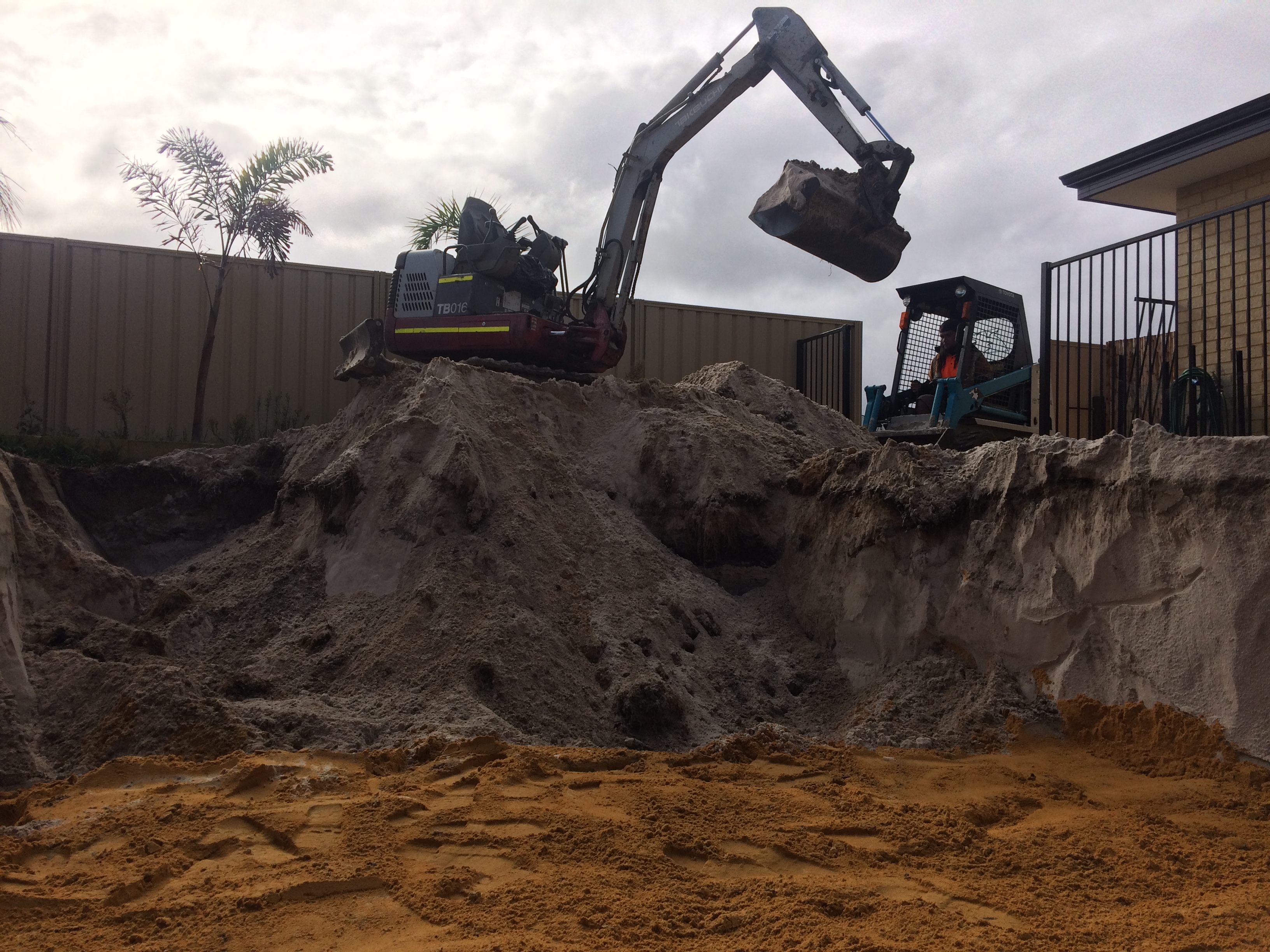
Local knowledge matters when choosing an excavation contractor. An operator who knows that parts of Halls Head require dewatering consideration, or that certain Falcon areas require acid sulphate testing, saves you from discovery delays and cost surprises. Experience with City of Mandurah processes means smoother approvals and less back-and-forth with council.
Check that contractors have proper licensing and insurance – this protects you if something goes wrong. Ask for references from other Mandurah clients and actually call them to hear about their experience.
Watch for warning signs: vague pricing without specifics, reluctance to provide insurance certificates, cash-only operations with no formal invoicing, pressure tactics, or no local references to verify their work.
Get to Work with Brad’s Mini Excavation
Years of operating across Mandurah, Halls Head, Falcon, Lakelands, and Meadow Springs mean we know which areas have high water tables, where acid sulphate soils appear, and what the sandy coastal soils do in different seasons. We understand the City of Mandurah requirements without needing to look up every regulation.
We provide free quotes and site assessments, guidance on council approvals when needed, and a range of equipment for projects of varying scales. You get written quotes with itemised costs, realistic timelines based on actual experience, and a professional approach from start to finish. We’re fully licensed and insured, we respect your property and neighbours, and we work around your schedule where possible.
Whether you’re planning pool excavation, site preparation for a building project, or land levelling work, contact Brad’s Mini Excavation for a free site assessment and written quote. We’ll visit your property, explain exactly what’s involved, and give you transparent pricing with no surprises.
Call us or visit our website to get started.